


The Four Resources Model
Luke and Freebody’s Four Resource Model emerged in the 1990s (Anstey and Bull 2004 pp75-101) to encapsulate the multi- literate requirements for reading effectively in a multimodal world. Luke and Freebody define literacy in terms of a repertoire of capabilities (Luke & Freebody 1999). Being literate means being able to decode written text, understand and compose meaningful texts, use texts functionally and analyse texts critically. All four resources are of equal importance as readers engage in several practices together.
The resources are as follows:
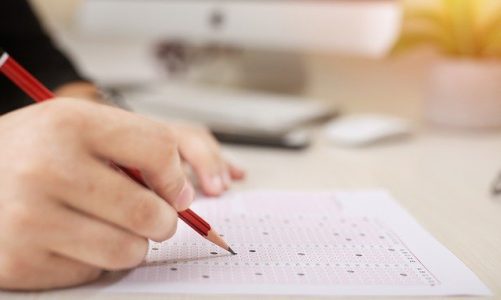
1. Break the code of texts
Recognizing and using features such as alphabet, sounds, spelling, conventions and patterns of the text.
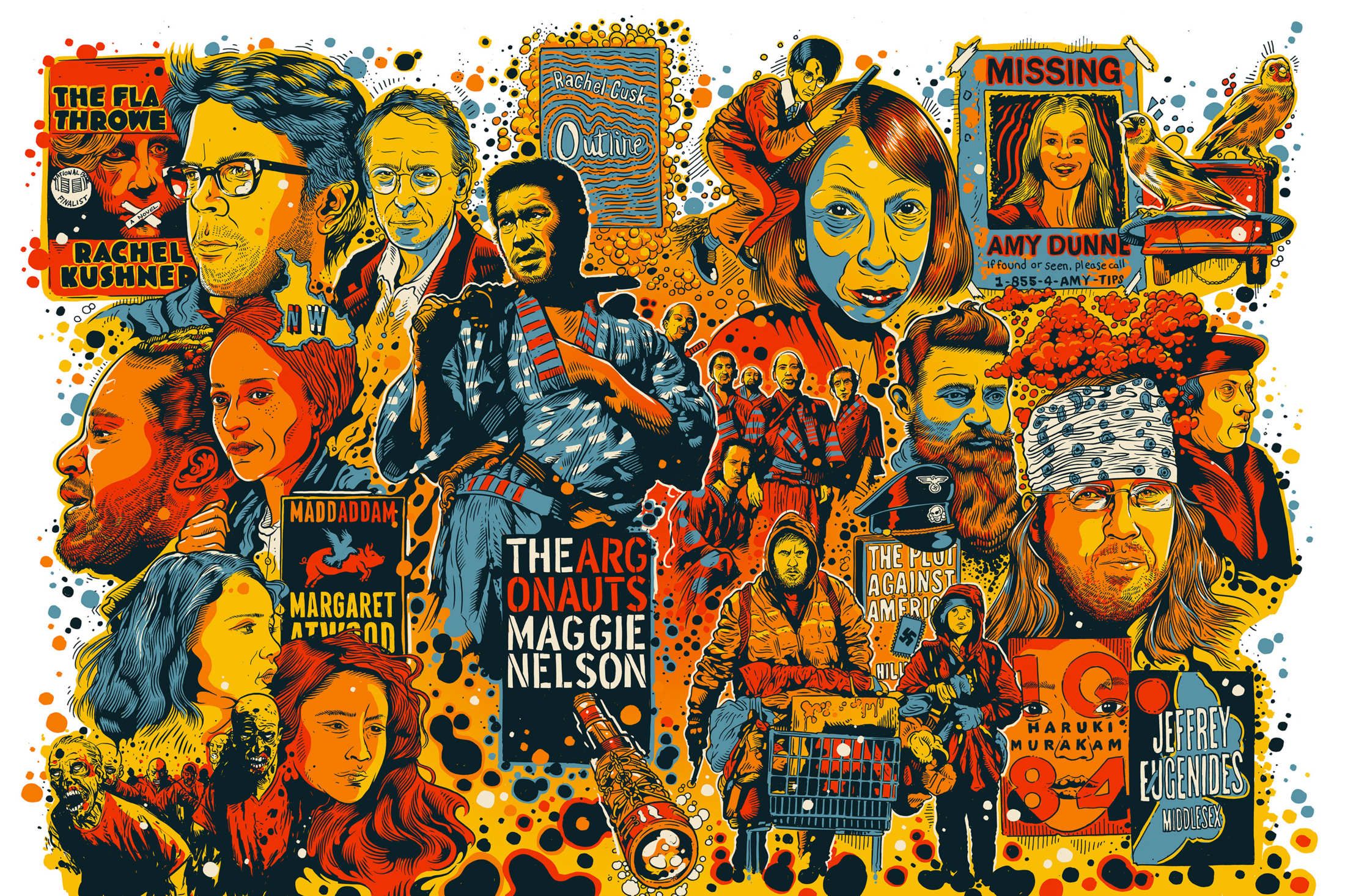
2. Participate in the meanings of text
Understanding and composing meaningful written, visual and spoken texts from within particular cultures, institutions, families, communities, nation-states etc. Drawing on existing schemas.
3. Use texts functionally
Knowing about and acting on the different cultural and social functions that various texts perform both inside and outside of school. Knowing that these function shapes the ways texts are constructed, their tone, their degree of formality and their sequence of components. Using texts for purpose.
4. Critically analyze and transform texts
Understanding and acting on the knowledge that texts are not neutral. Texts represent particular views, silence others, influence people’s ideas. Text designs & discourses can be critiqued and redesigned in novel and hybrid ways.